23 Oct 2026

By Dr. Vaishali Chaudhary
Uterine Fibroids: Common Symptoms, Diagnosis & Treatment
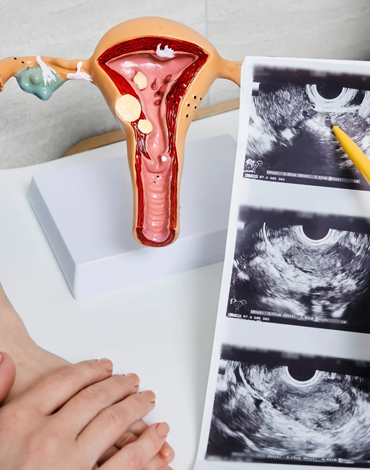
UTERINE FIBROIDS
Uterine fibroids are non-cancerous growths that develop in or around the uterus. They are common among women during their reproductive years and can vary in size, number, and location. While some women may not experience any symptoms, others may have heavy menstrual bleeding, pelvic discomfort, or changes in their menstrual cycle.
The symptoms of uterine fibroids can differ from person to person depending on their size and location. Some fibroids may remain small and require only regular monitoring, while others may cause discomfort and affect everyday activities.
Understanding the signs of uterine fibroids and seeking timely gynaecological evaluation can help determine the appropriate approach to care. Early assessment also helps women understand their condition and explore suitable management options.
Fibroids can develop within the muscular wall of the uterus, beneath its inner lining, or on its outer surface. Their location plays an important role in the symptoms they may cause. A gynaecologist can evaluate the condition through a clinical assessment and recommended investigations.
Common Symptoms of Uterine Fibroids
Not all women with uterine fibroids experience symptoms. However, when symptoms occur, they may affect menstrual health, pelvic comfort, and overall quality of life.
Signs and Symptoms to Look Out For
-
Heavy or prolonged menstrual bleeding.
-
Pelvic pain, pressure, or a feeling of heaviness in the lower abdomen.
-
Frequent urination due to pressure on the bladder.
-
Lower back pain or discomfort during certain activities.
-
Abdominal swelling or a feeling of fullness.
-
Difficulty conceiving or pregnancy-related concerns in some cases.
What Causes Uterine Fibroids?
-
Hormonal influences, particularly oestrogen and progesterone.
-
Genetic factors and a family history of uterine fibroids.
-
Changes in uterine muscle cells and tissue growth.
-
Individual biological and hormonal factors that influence fibroid development.
How Are Uterine Fibroids Diagnosed?
A gynaecological consultation is the first step towards identifying uterine fibroids. The doctor may review your menstrual history, symptoms, and medical background before recommending suitable investigations.
Ultrasound is commonly used to identify fibroids and assess their size, number, and location. Depending on individual requirements, additional investigations such as pelvic imaging or other diagnostic tests may be recommended.
Accurate diagnosis helps the doctor understand whether the fibroids are responsible for the symptoms and determine an appropriate management plan.
Do All Uterine Fibroids Require Treatment?
No. Fibroids that do not cause symptoms may only require periodic monitoring. Treatment decisions depend on factors such as fibroid size, location, symptoms, age, and future pregnancy plans.
Treatment Options for Uterine Fibroids
Treatment is personalized according to each woman's symptoms and healthcare needs. A gynaecologist may recommend observation, medication, or surgical procedures depending on the condition.
Common Management Approaches
-
Regular monitoring for fibroids that do not cause significant symptoms.
-
Medications to help manage heavy menstrual bleeding and related symptoms.
-
Hormonal treatment options in selected cases.
-
Minimally invasive procedures for suitable patients.
-
Surgical treatment when indicated based on symptoms and individual needs.
Factors That Influence Treatment Decisions
-
The size, number, and location of the fibroids.
-
The severity of symptoms and their impact on daily life.
-
The woman's age and overall health.
-
Future pregnancy plans and reproductive health goals.
When Should You Consult a Gynaecologist?
If you experience unusually heavy periods, prolonged menstrual bleeding, persistent pelvic pain, frequent urination, or unexplained abdominal discomfort, it is advisable to consult a gynaecologist. These symptoms may be associated with uterine fibroids or other gynaecological conditions.
Timely evaluation helps identify the underlying cause and determine whether monitoring or treatment is needed. Women experiencing severe bleeding, dizziness, or intense pelvic pain should seek prompt medical attention.
Take Care of Your Uterine Health
Uterine fibroids are common, and their presence does not always mean that surgery or immediate treatment is required. Understanding your condition and following appropriate medical advice can help you make informed decisions about your health.
Consult Dr. Vaishali Chaudhary for gynaecological evaluation and guidance regarding uterine fibroids in Andheri West, Mumbai. Get medical advice based on your symptoms, diagnosis, and individual healthcare needs.