Superficial Endometriosis: Endometriosis tissue develops on the surface of pelvic organs and tissues.
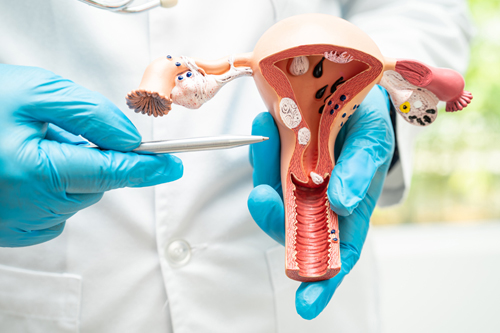
Endometriosis Management
Endometriosis is a gynaecological condition in which tissue similar to the lining of the uterus grows outside the uterus, commonly affecting the ovaries, fallopian tubes, and surrounding pelvic tissues. It can cause painful periods, chronic pelvic pain, and sometimes difficulties with fertility.
Proper evaluation and timely medical care help women understand their symptoms and manage the condition effectively. Dr. Vaishali Chaudhary provides gynaecological consultation and personalized guidance for endometriosis, focusing on pain management, reproductive health, and overall well-being.
Conditions Associated With Endometriosis
Endometriosis can affect different areas of the reproductive system and surrounding pelvic organs. The location and extent of the condition may vary from woman to woman, influencing the symptoms and treatment approach.
Some common conditions and forms associated with endometriosis include:
Common Types and Related Conditions
-
-
Ovarian Endometrioma: Cysts containing old blood may develop within the ovaries due to endometriosis.
-
Deep Endometriosis: Endometriosis tissue grows deeper into pelvic tissues and may affect nearby organs.
-
Pelvic Adhesions: Scar-like tissue bands may develop and cause pelvic organs to stick together.
-
Endometriosis-Related Infertility: The condition may affect reproductive health and make conception difficult for some women.
Common Symptoms of Endometriosis
Endometriosis symptoms can differ in intensity and may sometimes be mistaken for ordinary menstrual discomfort. Some women experience severe pain, while others may have very few noticeable symptoms. Recognizing persistent changes can help in seeking timely medical evaluation.
Symptoms to Discuss With Your Doctor
-
Severe Menstrual Pain: Period cramps that interfere with everyday activities or do not improve with usual pain relief.
-
Chronic Pelvic Pain: Persistent pain in the lower abdomen or pelvic region, even outside menstrual periods.
-
Pain During Intercourse: Discomfort or pain during or after sexual activity.
-
Painful Bowel Movements or Urination: Discomfort, particularly during menstrual periods.
-
Heavy or Irregular Periods: Menstrual bleeding that is unusually heavy, prolonged, or irregular.
-
Difficulty Conceiving: Challenges with becoming pregnant despite regular attempts at conception.
-
Fatigue and Bloating: Persistent tiredness, abdominal bloating, or digestive discomfort.
What Causes Endometriosis?
The exact cause of endometriosis is not fully understood. Researchers believe that several biological, hormonal, immune-related, and genetic factors may contribute to its development. The condition is not caused by poor hygiene or lifestyle choices.
Some factors and possible explanations associated with endometriosis include:
Possible Contributing Factors
-
Retrograde Menstruation: Menstrual blood and tissue may flow backward through the fallopian tubes into the pelvic cavity.
-
Hormonal Factors: Oestrogen plays an important role in the growth and activity of endometriosis tissue.
-
Genetic Predisposition: Having close family members with endometriosis may increase the likelihood of developing the condition.
-
Immune System Factors: Differences in immune system activity may influence how the body responds to endometriosis tissue.
-
Cellular Changes: Certain cells in the body may transform into tissue resembling the uterine lining.
-
Early Menstrual Onset: Starting menstruation at an early age may be associated with an increased risk in some women.
Endometriosis Treatment and Management
Endometriosis management focuses on relieving pain, improving daily comfort, addressing reproductive health concerns, and preventing symptoms from interfering with quality of life. Treatment depends on the severity of symptoms, medical history, age, and whether the woman is planning a pregnancy.
After evaluating the condition, the gynaecologist may recommend an appropriate combination of medical treatment, symptom management, and specialist care when required.
Available Treatment and Management Approaches
-
Medical Evaluation: Reviewing menstrual history, symptoms, physical examination findings, and previous medical reports.
-
Ultrasound Assessment: Pelvic ultrasound may help identify ovarian endometriomas and other related abnormalities.
-
Pain Management: Appropriate pain-relieving medicines may be recommended to manage menstrual and pelvic discomfort.
-
Hormonal Treatment: Suitable hormonal medicines may help control menstrual symptoms and reduce endometriosis-related pain.
-
Fertility Assessment: Evaluating reproductive health and discussing suitable options for women planning pregnancy.
-
Surgical Consultation: Specialist assessment may be recommended when symptoms are severe, ovarian cysts are present, or medical management is insufficient.
-
Follow-up Monitoring: Regular reviews help assess treatment response and adjust the management plan when needed.
Benefits of Timely Endometriosis Management
Early evaluation and appropriate treatment can help women manage endometriosis symptoms and improve their quality of life. Regular medical guidance also helps address changes in reproductive health and monitor the condition over time.
Some important benefits of proper endometriosis management include:
Key Benefits of Proper Care
-
Helps manage painful periods and persistent pelvic discomfort.
-
Supports better management of menstrual symptoms and related discomfort.
-
Helps identify ovarian cysts and other endometriosis-related concerns.
-
Provides guidance on fertility concerns and reproductive health planning.
-
Encourages early recognition of symptoms and appropriate medical intervention.
-
Supports improved daily comfort and overall quality of life.
How to Manage Endometriosis and Maintain Reproductive Health
There is currently no proven way to prevent endometriosis. However, recognizing symptoms early, maintaining regular gynaecological consultations, and following an appropriate management plan can help women address the condition and manage its impact on daily life.
Some helpful practices for managing endometriosis include:
Helpful Practices for Long-Term Management
-
Schedule regular gynaecological check-ups and discuss persistent menstrual or pelvic pain.
-
Maintain a healthy, balanced diet and stay adequately hydrated.
-
Engage in suitable physical activities such as walking, stretching, or gentle exercise.
-
Maintain a menstrual and symptom diary to identify patterns and discuss changes with your doctor.
-
Follow prescribed medicines and avoid self-medication or changing treatment without medical advice.
-
Prioritize adequate sleep and use suitable stress-management practices.
-
Discuss fertility plans and reproductive health concerns with your gynaecologist.
Frequently Asked Questions About Endometriosis Management
-
What is endometriosis?
Endometriosis is a condition in which tissue similar to the lining of the uterus grows outside the uterus. It commonly affects the ovaries and pelvic tissues and may cause painful periods, pelvic pain, and fertility difficulties.
-
What are the early signs of endometriosis?
Common signs include painful menstrual periods, pelvic pain, pain during intercourse, and discomfort during bowel movements or urination. Some women may also experience heavy periods or difficulty conceiving.
-
Can endometriosis affect fertility?
Yes. Endometriosis may affect fertility by influencing the ovaries, fallopian tubes, and surrounding pelvic tissues. However, many women with endometriosis can conceive naturally, and appropriate fertility guidance may help.
-
How is endometriosis diagnosed?
Diagnosis generally involves reviewing symptoms and menstrual history, performing a clinical assessment, and using imaging tests such as pelvic ultrasound or MRI when appropriate. In selected cases, laparoscopy may be considered.
-
Can endometriosis be treated without surgery?
Yes. Many women can manage symptoms with non-surgical approaches, including pain-relieving medicines and hormonal treatments. The suitable option depends on symptoms, medical history, and pregnancy plans.
-
Is endometriosis a lifelong condition?
Endometriosis is generally a long-term condition that may require ongoing management. Symptoms can change over time, and regular medical follow-up helps assess the condition and adjust treatment when necessary.
-
Does endometriosis always cause severe pain?
No. Symptoms vary between individuals. Some women experience severe pain, while others have mild symptoms or may not notice any symptoms despite having endometriosis.
-
When should I consult a gynaecologist for endometriosis?
Consult a gynaecologist if you experience severe period pain, persistent pelvic discomfort, painful intercourse, unusually heavy periods, or difficulty conceiving. Early evaluation can help identify the cause and guide appropriate treatment.