23 Oct 2026

By Dr. Vaishali Chaudhary
PCOS and Irregular Periods: Symptoms, Causes & Treatment Options
PCOS & MENSTRUAL HEALTH
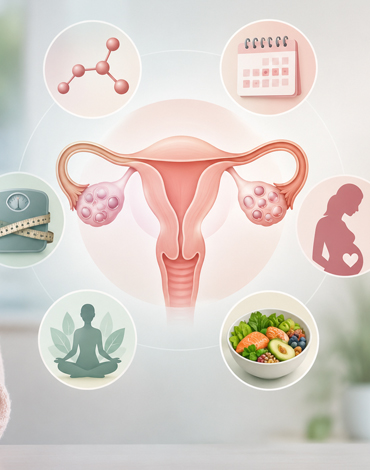
Polycystic Ovary Syndrome (PCOS) is a common hormonal condition that affects women during their reproductive years. It can influence menstrual cycles, hormone levels, and ovulation. One of the most noticeable signs of PCOS is irregular periods, which may occur when ovulation does not happen regularly.
Women with PCOS may experience different symptoms depending on their hormonal balance and overall health. While some may notice changes in their menstrual cycle, others may experience acne, unwanted facial hair, weight changes, or difficulty conceiving.
Understanding the symptoms of PCOS and seeking timely medical advice can help women manage the condition effectively. With appropriate evaluation and an individualized treatment plan, many PCOS-related concerns can be managed.
Irregular periods associated with PCOS may include delayed periods, infrequent menstruation, or missed cycles. These changes can occur due to hormonal imbalances that affect the normal process of ovulation. A gynaecological consultation can help identify the underlying cause and determine suitable management options.
Common Symptoms of PCOS
PCOS symptoms can vary from one woman to another. Some women experience several symptoms, while others may have only a few. Recognizing these changes can help in seeking timely medical evaluation.
Signs and Symptoms to Look Out For
-
Irregular, delayed, or missed menstrual periods.
-
Excess facial or body hair due to increased androgen levels.
-
Persistent acne or oily skin.
-
Weight gain or difficulty managing weight.
-
Difficulty with ovulation and getting pregnant in some women.
What Causes PCOS?
-
Hormonal imbalance, particularly increased androgen levels.
-
Insulin resistance, which can affect the body's blood sugar regulation.
-
Genetic factors and a family history of PCOS.
-
Metabolic changes that may contribute to hormonal disturbances.
How Is PCOS Diagnosed?
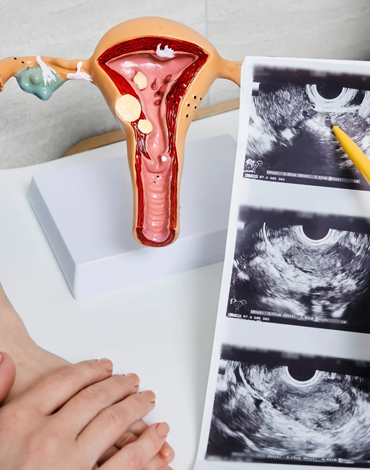
PCOS diagnosis involves understanding a woman's menstrual history, symptoms, and medical background. The doctor may recommend a physical examination, blood tests to assess hormone levels, and an ultrasound examination when required.
Diagnosis is based on a combination of clinical findings and investigations. Not every woman with PCOS will have ovarian cysts on an ultrasound, and other conditions that cause similar symptoms may also need to be ruled out.
How Can PCOS Be Managed?
PCOS management depends on the symptoms, individual health needs, and whether a woman is planning a pregnancy. Treatment may include lifestyle modifications, nutritional guidance, and medications to help regulate periods or manage specific hormonal concerns.
Treatment and Lifestyle Management for PCOS
Although PCOS does not have a permanent cure, its symptoms can often be managed with appropriate medical care and healthy lifestyle habits. A personalized approach helps address individual concerns and support long-term health.
Helpful Lifestyle Changes
-
Follow a balanced diet with nutritious and wholesome foods.
-
Include regular physical activity in your daily routine.
-
Maintain a healthy weight according to your individual needs.
-
Prioritize adequate sleep and stress management.
-
Attend regular medical follow-ups to monitor your health.
Medical Treatment Options
-
Medications to help regulate menstrual cycles when appropriate.
-
Treatment to manage acne and unwanted hair growth.
-
Medical management of insulin resistance when required.
-
Fertility-related treatment and guidance for women planning pregnancy.
When Should You Consult a Gynaecologist?
If you frequently experience irregular periods, missed menstrual cycles, excessive hair growth, persistent acne, or difficulty conceiving, it is important to consult a gynaecologist. Early evaluation can help identify PCOS or other underlying health conditions.
Leaving prolonged menstrual irregularities untreated may increase the risk of certain complications, including changes in the uterine lining. Regular medical consultations help monitor symptoms and address potential health concerns.
Take Charge of Your Hormonal Health
PCOS is a manageable condition, and every woman's experience is different. Understanding your symptoms, following appropriate medical advice, and making healthy lifestyle choices can help you manage the condition and maintain your overall well-being.
Consult Dr. Vaishali Chaudhary for gynaecological consultation and PCOS-related concerns in Andheri West, Mumbai. Get appropriate medical guidance based on your symptoms and individual healthcare needs.