
Abnormal Cervical Cells: Changes in cervical cells that may require further evaluation.
Overview
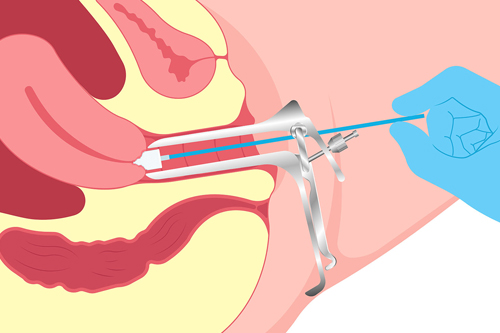
Pap smear screening, also known as a Pap test, is a preventive gynaecological test used to identify abnormal changes in the cells of the cervix. These changes may develop over time and, if left undetected, can sometimes progress towards cervical cancer.
The test involves collecting a small sample of cells from the cervix for laboratory examination. Regular screening, as recommended by your gynaecologist, helps identify early cell changes and allows timely medical follow-up. Pap smear screening is an important part of maintaining long-term cervical and reproductive health.
Conditions Detected Through Pap Smear Screening
A Pap smear helps identify abnormal cervical cell changes before they develop into more serious health concerns. It is primarily a screening test rather than a diagnostic test for every cervical condition.
Some of the important cervical changes and concerns that may be identified include:
Important Cervical Health Findings
-
-
Precancerous Cell Changes: Early cellular abnormalities that may have the potential to progress if untreated.
-
Cervical Inflammation: Changes that may suggest inflammation and require clinical assessment.
-
Cellular Abnormalities Associated with HPV: Cervical cell changes that may be linked to human papillomavirus infection.
-
Possible Suspicious Cell Changes: Findings that may require additional diagnostic investigations.
Symptoms of Cervical Health Problems
Early cervical cell changes usually do not cause noticeable symptoms, which is why regular screening is important even when you feel healthy. However, certain symptoms may indicate an underlying cervical or gynaecological concern and should not be ignored.
Warning Signs to Discuss With Your Gynaecologist
-
Unusual Vaginal Bleeding: Bleeding between periods or after sexual intercourse.
-
Postmenopausal Bleeding: Any vaginal bleeding after menopause.
-
Unusual Vaginal Discharge: Persistent discharge that is different from your usual pattern.
-
Pelvic Discomfort: Persistent pain or discomfort in the lower abdomen or pelvic region.
-
Pain During Intercourse: Persistent discomfort or pain during sexual activity.
Causes and Risk Factors for Cervical Cell Changes
Most cervical cell changes associated with cervical cancer are linked to persistent infection with high-risk types of human papillomavirus (HPV). HPV is a common infection that can spread through intimate skin-to-skin contact. In most people, the immune system clears the infection naturally, but persistent high-risk HPV infection can cause abnormal cervical cell changes.
Certain factors may increase the likelihood of persistent HPV infection or cervical abnormalities, including:
Common Risk Factors
-
Persistent High-Risk HPV Infection: Long-lasting infection with certain HPV types is the main risk factor for cervical cancer.
-
Weakened Immune System: Reduced immunity may make it harder for the body to clear HPV infection.
-
Smoking: Tobacco use can increase the risk of cervical cell abnormalities.
-
Previous Cervical Abnormalities: A history of abnormal cervical screening results may require closer follow-up.
-
Missed Screening: Not attending recommended cervical screening appointments can delay the detection of abnormal changes.
Pap Smear Screening Procedure and Follow-up
A Pap smear is a simple outpatient screening procedure that usually takes only a few minutes. During the test, the doctor collects a small sample of cells from the cervix using a gentle sampling instrument. The sample is then sent to a laboratory for examination.
Based on the test results, your gynaecologist will explain the findings and recommend whether routine screening, repeat testing, or further evaluation is required.
Steps Involved in Pap Smear Screening
-
Initial Consultation: The doctor reviews your medical history, menstrual health, and previous screening records.
-
Preparation: You will be asked to lie comfortably on the examination table for the procedure.
-
Sample Collection: A speculum is gently inserted into the vagina to view the cervix, and a small sample of cervical cells is collected using a soft brush or sampling device.
-
Laboratory Examination: The collected sample is examined to identify any abnormal cervical cell changes.
-
Result Discussion: Your doctor explains the report and recommends the next steps based on the findings.
Understanding Pap Smear Test Results
Pap smear reports help your gynaecologist understand the condition of cervical cells. An abnormal result does not automatically mean that you have cervical cancer. It may indicate minor or significant cell changes that need further assessment.
Depending on the report and your medical history, your doctor may recommend:
Possible Follow-up Recommendations
-
Routine Screening: Continue screening at the recommended interval when results are normal.
-
Repeat Pap Test: Another sample may be advised when the initial result is unclear or requires monitoring.
-
HPV Testing: Additional testing may be recommended to check for high-risk HPV types.
-
Colposcopy: A closer examination of the cervix may be advised to investigate abnormal findings.
-
Cervical Biopsy: A small tissue sample may be collected when further examination is needed.
Benefits of Regular Pap Smear Screening
Regular cervical screening plays an important role in women's preventive healthcare. It helps identify abnormal cell changes before they develop into more serious conditions and supports timely medical evaluation.
Important benefits of Pap smear screening include:
Key Benefits of Cervical Screening
-
Helps detect abnormal cervical cells at an early stage.
-
Supports early identification of precancerous cervical changes.
-
Allows timely investigation and appropriate medical follow-up.
-
Helps reduce the risk of cervical cancer through appropriate screening and follow-up.
-
Encourages regular preventive healthcare and awareness of cervical health.
How to Prevent Cervical Cancer
Although not all cervical cancer cases can be prevented, certain preventive measures can significantly reduce the risk. HPV vaccination, regular cervical screening, and healthy lifestyle choices play important roles in protecting cervical health.
Some important steps to help protect yourself include:
Important Cervical Cancer Prevention Measures
-
Get HPV Vaccination: Discuss age-appropriate HPV vaccination with your doctor to help protect against important cancer-causing HPV types.
-
Attend Regular Screening: Follow the cervical screening schedule recommended for your age and medical history.
-
Avoid Smoking: Staying away from tobacco can help reduce the risk of cervical cell abnormalities.
-
Practise Safer Sexual Health: Using barrier protection can reduce, but not completely eliminate, the risk of HPV transmission.
-
Follow Up on Abnormal Results: Complete recommended investigations and treatment without unnecessary delays.
-
Maintain Regular Gynaecological Care: Discuss any unusual symptoms or cervical health concerns with your doctor.
Frequently Asked Questions About Pap Smear Screening
-
What is a Pap smear test?
A Pap smear is a cervical screening test that collects a small sample of cells from the cervix to identify abnormal changes. It helps detect precancerous changes before they may develop into cervical cancer.
-
Is a Pap smear test painful?
A Pap smear is generally a quick procedure. Some women may experience mild pressure or temporary discomfort during sample collection, but it usually does not cause significant pain.
-
How often should I get a Pap smear test?
The recommended screening schedule depends on your age, previous test results, medical history, and the screening guidelines followed. Your gynaecologist can advise you on the appropriate interval.
-
Does an abnormal Pap smear mean I have cervical cancer?
No. An abnormal result does not automatically mean cancer. It may indicate minor or precancerous cell changes that require repeat testing or further evaluation, depending on the findings.
-
How should I prepare for a Pap smear test?
If possible, schedule the test when you are not menstruating. Avoid vaginal intercourse, vaginal medicines, creams, or douching for about 48 hours before the test, if advised by your doctor. Inform your doctor if you are pregnant or have any symptoms.
-
Can I get a Pap smear if I have no symptoms?
Yes. Pap smear screening is recommended for eligible women even when they feel healthy because early cervical cell changes usually do not cause noticeable symptoms.
-
What is the difference between a Pap smear and an HPV test?
A Pap smear checks for abnormal changes in cervical cells, while an HPV test checks for high-risk types of human papillomavirus. Depending on your age and screening needs, your doctor may recommend either test or both.
-
Does HPV vaccination replace Pap smear screening?
No. HPV vaccination helps protect against important cancer-causing HPV types, but it does not protect against every type. Eligible women should continue cervical screening as recommended by their doctor.