
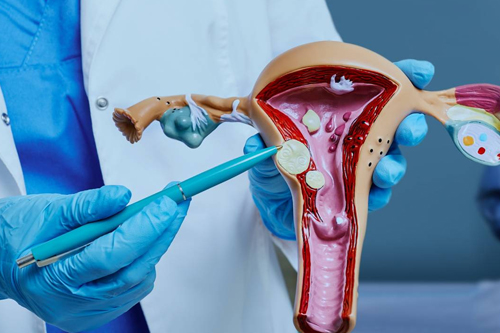
Intramural Fibroids: Develop within the muscular wall of the uterus and may cause heavy periods or pelvic pressure.
Uterine Fibroid Management
Uterine fibroids are non-cancerous growths that develop in or around the uterus. They can vary in size, number, and location. While some women may not experience any symptoms, others may have heavy menstrual bleeding, pelvic pain, or difficulty conceiving.
Proper evaluation helps determine the size and location of fibroids and whether treatment is necessary. Dr. Vaishali Chaudhary provides gynaecological consultation and guidance for managing uterine fibroids through suitable medical and surgical treatment options based on each woman's symptoms, health, and reproductive plans.
Conditions Associated With Uterine Fibroids
Uterine fibroids can develop in different parts of the uterus and may affect menstrual health, pelvic comfort, and reproductive health. Their impact depends on their size, number, and location.
Some common types and conditions associated with uterine fibroids include:
Types of Uterine Fibroids
-
-
Submucosal Fibroids: Grow towards the inner uterine cavity and may contribute to heavy menstrual bleeding and fertility difficulties.
-
Subserosal Fibroids: Develop on the outer surface of the uterus and may cause pressure on nearby organs.
-
Pedunculated Fibroids: Grow attached to the uterus by a narrow stalk and may cause pain if they twist.
-
Multiple Fibroids: Several fibroids may develop in different areas of the uterus and cause varying symptoms.
Common Symptoms of Uterine Fibroids
Many women with uterine fibroids do not experience noticeable symptoms. However, depending on their size and location, fibroids may cause menstrual changes, pelvic discomfort, or pressure on surrounding organs.
Symptoms to Discuss With Your Doctor
-
Heavy Menstrual Bleeding: Excessive bleeding or periods that last longer than usual.
-
Pelvic Pain or Pressure: Persistent discomfort, heaviness, or pain in the lower abdomen.
-
Frequent Urination: Increased pressure on the bladder may cause frequent visits to the bathroom.
-
Abdominal Swelling: A feeling of fullness or visible enlargement of the lower abdomen.
-
Backache and Leg Pain: Discomfort caused by pressure from larger fibroids on surrounding structures.
-
Difficulty Conceiving: Certain fibroids may affect the uterine cavity and interfere with fertility.
-
Fatigue and Weakness: Heavy menstrual bleeding may lead to iron-deficiency anaemia.
Causes and Risk Factors of Uterine Fibroids
The exact cause of uterine fibroids is not fully understood. However, hormonal influences, genetic factors, and other biological factors may contribute to their development and growth.
Some factors associated with an increased likelihood of developing uterine fibroids include:
Common Risk Factors
-
Hormonal Influence: Oestrogen and progesterone may contribute to fibroid growth.
-
Family History: Having close family members with uterine fibroids may increase the likelihood of developing them.
-
Reproductive Age: Fibroids are commonly diagnosed during the reproductive years.
-
Body Weight: Being overweight or having obesity may be associated with a higher risk of fibroids.
-
Genetic Factors: Certain inherited genetic changes may play a role in fibroid development.
Uterine Fibroid Treatment and Management
Treatment for uterine fibroids depends on their size, number, location, symptoms, age, and future pregnancy plans. Women who do not experience symptoms may only require regular monitoring, while those with discomfort or heavy bleeding may benefit from medical or surgical treatment.
After evaluating the condition, the gynaecologist recommends an appropriate treatment approach based on individual health needs and reproductive goals.
Available Treatment Approaches
-
Regular Monitoring: Periodic consultations and ultrasound assessments for fibroids that do not cause significant symptoms.
-
Medication: Suitable medicines may help manage heavy menstrual bleeding, pain, and other related symptoms.
-
Hormonal Treatment: Selected hormonal treatments may help control bleeding or temporarily reduce fibroid size.
-
Myomectomy: A surgical procedure that removes fibroids while preserving the uterus, when appropriate.
-
Hysteroscopic Myomectomy: Removal of selected fibroids growing into the uterine cavity through a hysteroscope.
-
Laparoscopic or Open Myomectomy: Surgical removal of fibroids through minimally invasive or open techniques, depending on the case.
-
Other Specialist Procedures: Selected patients may be considered for procedures such as uterine artery embolisation after specialist evaluation.
Diagnosis of Uterine Fibroids
Accurate diagnosis helps determine the size, number, and location of fibroids and guides treatment planning. Your doctor may recommend specific examinations and investigations based on your symptoms and medical history.
Common Diagnostic Tests
-
Pelvic Examination: Helps assess the size and shape of the uterus.
-
Ultrasound: Identifies fibroids and evaluates their number, size, and location.
-
MRI Scan: Provides detailed images when further assessment of fibroids is required.
-
Blood Tests: Help evaluate anaemia and iron levels in women experiencing heavy menstrual bleeding.
-
Hysteroscopy: Allows examination of the uterine cavity when fibroids inside the cavity are suspected.
Benefits of Timely Uterine Fibroid Management
Timely evaluation and appropriate management can help women control fibroid-related symptoms and maintain better reproductive health. A personalized treatment plan also helps address concerns related to menstrual health, daily activities, and future pregnancy.
Important benefits of proper fibroid management include:
Key Benefits of Fibroid Treatment
-
Helps manage heavy menstrual bleeding and related discomfort.
-
Reduces pelvic pressure and other fibroid-related symptoms when treatment is effective.
-
Helps identify and manage anaemia caused by excessive menstrual bleeding.
-
Supports reproductive health and fertility planning when required.
-
Provides suitable treatment choices based on individual symptoms and needs.
-
Improves daily comfort and quality of life through appropriate symptom management.
How to Maintain Uterine Health
Uterine fibroids cannot always be prevented, and there is no guaranteed way to stop them from developing. However, maintaining healthy habits and seeking medical advice for unusual menstrual changes can support reproductive health and help identify concerns early.
Some helpful practices for maintaining uterine health include:
Healthy Practices for Uterine Health
-
Attend regular gynaecological check-ups and discuss unusual menstrual changes.
-
Maintain a balanced diet with adequate iron, vitamins, and essential nutrients.
-
Maintain a healthy body weight through suitable physical activity and healthy eating habits.
-
Track menstrual cycles and seek advice for unusually heavy or prolonged periods.
-
Follow medical advice for managing existing fibroids and related health concerns.
-
Discuss fertility plans and reproductive health concerns with your gynaecologist.
Frequently Asked Questions About Uterine Fibroids
-
What are uterine fibroids?
Uterine fibroids are non-cancerous growths that develop in or around the uterus. They can vary in size and number, and some women may have fibroids without experiencing any symptoms.
-
Are uterine fibroids dangerous?
Most uterine fibroids are benign and are not cancerous. However, some may cause heavy bleeding, pelvic pain, pressure symptoms, or reproductive difficulties and may require medical evaluation and treatment.
-
What are the common signs of uterine fibroids?
Common symptoms include heavy or prolonged periods, pelvic pain, frequent urination, abdominal fullness, and lower back discomfort. Some women may not experience any symptoms.
-
Can uterine fibroids affect pregnancy?
Some fibroids, depending on their size and location, may affect fertility or pregnancy. However, many women with fibroids have healthy pregnancies. An individual evaluation helps determine whether any treatment or additional monitoring is needed.
-
Do all uterine fibroids require surgery?
No. Many fibroids do not require surgery, especially when they are small and do not cause symptoms. Depending on the condition, regular monitoring or medication may be sufficient. Surgery is considered when medically appropriate.
-
Can fibroids be removed without removing the uterus?
Yes. Myomectomy is a procedure that removes fibroids while preserving the uterus. It may be suitable for women who wish to retain their uterus or consider future pregnancy. The appropriate approach depends on the individual case.
-
Can uterine fibroids shrink naturally?
Fibroids may shrink naturally after menopause as hormone levels decrease. However, changes in size vary from woman to woman. Regular medical monitoring is important when fibroids are present.
-
When should I consult a gynaecologist for fibroids?
Consult a gynaecologist if you experience unusually heavy periods, prolonged bleeding, persistent pelvic pain, abdominal swelling, or difficulty conceiving. Seek urgent medical attention for very heavy bleeding accompanied by dizziness or fainting.