
Endometritis: Inflammation or infection of the inner lining of the uterus.
Pelvic Inflammatory Disease (PID) Treatment
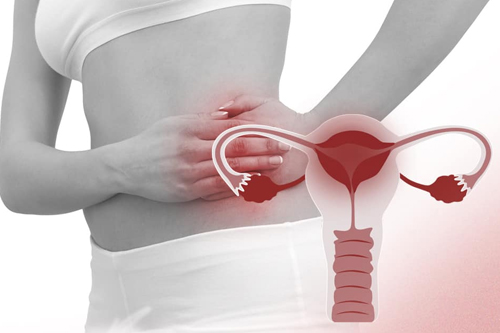
Pelvic Inflammatory Disease (PID) is an infection of the female reproductive organs, including the uterus, fallopian tubes, and ovaries. It commonly develops when bacteria from the vagina or cervix travel upwards into the reproductive tract. Early diagnosis and appropriate treatment are important to prevent complications.
PID may cause pelvic pain, unusual vaginal discharge, irregular bleeding, and discomfort during intercourse. Some women may experience very mild symptoms or no noticeable symptoms at all. Dr. Vaishali Chaudhary provides gynaecological evaluation and treatment to help manage infections and protect women's reproductive health.
Conditions Associated With Pelvic Inflammatory Disease
Pelvic Inflammatory Disease can affect different parts of the female reproductive system. Depending on the severity and duration of infection, it may lead to inflammation and other reproductive health concerns.
Some conditions associated with PID include:
Common PID-Related Conditions
-
-
Salpingitis: Infection and inflammation of the fallopian tubes.
-
Oophoritis: Inflammation involving one or both ovaries.
-
Tubo-Ovarian Abscess: A collection of pus involving the fallopian tube and ovary that requires prompt medical attention.
-
Chronic Pelvic Pain: Persistent discomfort in the lower abdomen or pelvic region following infection.
-
Reproductive Complications: Untreated or repeated infections may increase the risk of infertility and ectopic pregnancy.
Common Symptoms of Pelvic Inflammatory Disease
PID symptoms can range from mild discomfort to significant pelvic pain. Some women may not notice any symptoms, which is why unusual changes in reproductive health should be evaluated by a gynaecologist.
Symptoms to Watch For
-
Lower Abdominal Pain: Persistent or recurring pain in the lower abdomen or pelvic area.
-
Unusual Vaginal Discharge: Changes in vaginal discharge, including unusual colour, consistency, or unpleasant odour.
-
Irregular Bleeding: Bleeding between periods or after sexual intercourse.
-
Pain During Intercourse: Discomfort or pain during or after sexual activity.
-
Fever and Chills: Increased body temperature, sometimes accompanied by chills or weakness.
-
Urinary Discomfort: Pain or burning sensation while passing urine.
Causes and Risk Factors of Pelvic Inflammatory Disease
PID usually develops when bacteria enter the reproductive tract through the cervix and spread to the uterus, fallopian tubes, or ovaries. Sexually transmitted infections such as chlamydia and gonorrhoea are common causes, although other bacteria can also contribute to the infection.
Certain factors may increase the likelihood of developing PID, including:
Common Causes and Risk Factors
-
Sexually Transmitted Infections: Untreated chlamydia or gonorrhoea can spread to the upper reproductive organs.
-
Other Bacterial Infections: Bacteria normally present in the genital tract may sometimes cause an infection when they spread upwards.
-
Previous PID Infection: A history of pelvic inflammatory disease may increase the risk of another episode.
-
Multiple Sexual Partners: Having multiple partners or a partner with an untreated sexually transmitted infection can increase exposure risk.
-
Previous Sexually Transmitted Infection: A history of untreated or recurring sexually transmitted infections may increase the risk of PID.
-
Recent Reproductive Procedures: Certain procedures involving the uterus may occasionally allow bacteria to enter the reproductive tract.
Pelvic Inflammatory Disease Treatment and Management
Early treatment of PID is important to control infection and reduce the risk of long-term reproductive complications. Diagnosis is generally based on medical history, pelvic examination, and recommended laboratory tests or imaging investigations.
Treatment usually involves a combination of antibiotics selected according to the suspected infection and the patient's medical condition. The treatment plan may also include follow-up consultations and partner evaluation when a sexually transmitted infection is suspected or confirmed.
What Does PID Treatment Include?
-
Clinical Evaluation: Reviewing symptoms, medical history, and performing a pelvic examination to assess possible infection.
-
Laboratory Investigations: Recommending tests for sexually transmitted infections, urine tests, pregnancy tests, or other investigations when indicated.
-
Antibiotic Treatment: Prescribing appropriate antibiotics to treat the infection and target the likely bacteria.
-
Pain Management: Recommending suitable medication and supportive care to manage pelvic discomfort and inflammation.
-
Partner Evaluation and Treatment: Advising sexual partners to undergo testing and treatment when an STI-related infection is suspected or confirmed.
-
Follow-up Monitoring: Reviewing symptoms and treatment response, generally within 48 to 72 hours after starting treatment.
-
Hospital-Based Care: Severe infections, pregnancy, or suspected abscess may require hospital admission and specialist management.
Benefits of Early PID Diagnosis and Treatment
Timely diagnosis and appropriate treatment can help control the infection, relieve symptoms, and reduce the risk of complications. Seeking medical attention early is particularly important because untreated PID may cause lasting damage to the reproductive organs.
Important benefits of early medical management include:
Key Benefits of Timely Treatment
-
Helps control the infection and reduce inflammation in the reproductive organs.
-
Helps relieve pelvic pain, unusual discharge, and other infection-related symptoms.
-
Reduces the risk of further damage to the uterus, fallopian tubes, and surrounding tissues.
-
May reduce the risk of long-term pelvic pain and certain reproductive complications.
-
Helps protect reproductive health by addressing infection before further damage occurs.
-
Supports informed decisions about sexual health and future pregnancy planning.
How to Prevent Pelvic Inflammatory Disease
Although not all cases of PID can be prevented, certain precautions can reduce the risk of reproductive tract infections. Regular sexual health screening, timely treatment of infections, and appropriate medical guidance play an important role in prevention.
Some important preventive measures include:
Preventive Measures for Reproductive Health
-
Use condoms consistently and correctly to reduce the risk of sexually transmitted infections.
-
Get tested for sexually transmitted infections when recommended or after possible exposure.
-
Seek timely treatment for vaginal, cervical, or sexually transmitted infections.
-
Ensure sexual partners are evaluated and treated when an STI is diagnosed.
-
Complete the full course of prescribed antibiotics, even if symptoms improve earlier.
-
Avoid sexual intercourse until treatment is completed, symptoms have resolved, and partners have been treated as advised by your doctor.
-
Attend regular gynaecological consultations and seek medical advice for unusual pelvic symptoms.
Frequently Asked Questions About Pelvic Inflammatory Disease
-
What is Pelvic Inflammatory Disease (PID)?
Pelvic Inflammatory Disease is an infection affecting the female reproductive organs, including the uterus, fallopian tubes, and ovaries. It commonly occurs when bacteria spread from the vagina or cervix into the upper reproductive tract.
-
What are the common symptoms of PID?
Common symptoms include lower abdominal pain, unusual vaginal discharge, irregular bleeding, pain during intercourse, fever, and discomfort while passing urine. Some women may have mild symptoms or no noticeable symptoms.
-
Can PID affect fertility?
Yes. Untreated or repeated episodes of PID can damage the fallopian tubes and increase the risk of infertility and ectopic pregnancy. Early diagnosis and treatment help reduce the risk of further damage, although existing damage may not be reversible.
-
How is Pelvic Inflammatory Disease diagnosed?
Diagnosis generally involves reviewing symptoms and medical history, a pelvic examination, and recommended laboratory tests. Pregnancy testing and ultrasound may also be advised to assess other possible conditions or complications.
-
Can PID be treated with antibiotics?
Yes. Most cases of PID are treated with a combination of prescribed antibiotics. It is important to complete the entire treatment course and attend follow-up appointments. Severe cases may require hospital-based treatment.
-
Can PID occur without a sexually transmitted infection?
Yes. Although chlamydia and gonorrhoea are common causes, other bacteria can also cause PID. Therefore, not every case of pelvic inflammatory disease is related to a sexually transmitted infection.
-
Can PID come back after treatment?
Yes. PID can recur, particularly if a new infection occurs or an untreated partner passes an infection back. Completing treatment, partner evaluation, and following preventive advice can help reduce the risk of recurrence.
-
When should I consult a gynaecologist for PID?
Consult a gynaecologist promptly if you experience pelvic pain, unusual vaginal discharge, irregular bleeding, or pain during intercourse. Severe abdominal pain, high fever, vomiting, fainting, or possible pregnancy with pelvic pain require urgent medical evaluation.