
Baby in a Head-Down Position: The baby is positioned head-first in preparation for birth.
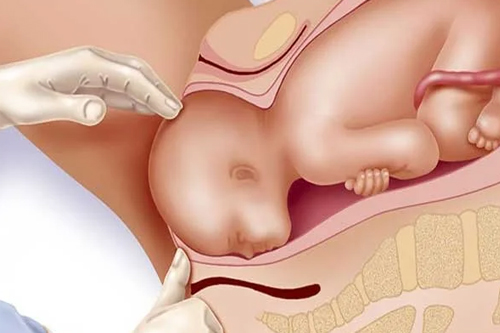
Normal delivery
Normal delivery, also known as vaginal delivery, is the natural process of childbirth in which a baby is delivered through the birth canal. It is a common method of childbirth when the mother and baby are suitable for vaginal delivery.
Every pregnancy and labour experience is different. Proper medical supervision, regular pregnancy check-ups, and timely guidance help prepare expectant mothers for childbirth. Dr. Vaishali Chaudhary provides maternity care and guidance to support women throughout labour and delivery.
Conditions Suitable for Normal Delivery
The possibility of a vaginal delivery depends on the mother's health, the baby's position, and the progress of labour. Your gynaecologist evaluates these factors to determine the safest delivery approach.
Some important factors considered when planning a normal delivery include:
Factors Supporting Vaginal Delivery
-
-
Maternal Health: The mother's overall health is suitable for vaginal delivery.
-
Pregnancy Progress: The pregnancy has progressed to a stage suitable for delivery.
-
Baby's Well-being: The baby's condition is suitable for vaginal birth.
-
Labour Progress: Labour is progressing appropriately under medical supervision.
Signs and Symptoms of Labour
As the body prepares for childbirth, women may experience several physical changes that indicate labour is approaching. Recognizing these signs helps expectant mothers understand when to contact their doctor or visit the hospital.
Common Signs of Labour
-
Regular Contractions: Repeated tightening of the uterus that gradually becomes stronger and more frequent.
-
Lower Back Pain: Persistent back discomfort or pressure that may accompany contractions.
-
Water Breaking: A gush or continuous trickle of fluid when the amniotic sac ruptures.
-
Bloody Show: Mucus discharge that may contain a small amount of blood as the cervix changes.
-
Pelvic Pressure: Increased pressure or a feeling of heaviness as the baby moves lower.
Factors That Influence Normal Delivery
Labour and childbirth are natural processes influenced by several maternal and fetal factors. The baby's position, the mother's health, uterine contractions, and the progress of cervical dilation all play a role in vaginal delivery.
Important factors that may influence the progress of labour include:
Important Factors During Childbirth
-
Baby's Position: The position and presentation of the baby can influence the delivery process.
-
Cervical Dilation: The cervix gradually opens during labour to allow the baby to pass through.
-
Uterine Contractions: Regular contractions help move the baby through the birth canal.
-
Maternal Health: Existing health conditions may influence labour and delivery planning.
-
Previous Pregnancy History: Previous deliveries and pregnancy experiences may be considered during delivery planning.
Normal Delivery Process and Care
Normal delivery is a natural process that takes place through different stages of labour. Medical supervision helps monitor the mother and baby's well-being and ensures that appropriate care is provided throughout childbirth.
The delivery process generally involves the following stages:
Stages of Normal Delivery
-
First Stage – Cervical Dilation: Regular contractions help the cervix gradually open to allow the baby to pass through.
-
Second Stage – Birth of the Baby: Once the cervix is fully dilated, the mother pushes with contractions to deliver the baby through the birth canal.
-
Third Stage – Delivery of the Placenta: After the baby is born, the placenta is delivered under medical supervision.
-
Post-Delivery Monitoring: The mother and baby are monitored after birth, and any required medical care is provided.
Care During Labour and Delivery
Every woman's labour experience is different. The doctor and maternity care team monitor the progress of labour and provide appropriate support to make the experience as safe and comfortable as possible.
Support and Medical Care During Labour
-
Monitoring contractions and cervical dilation during labour.
-
Monitoring the baby's heartbeat and overall well-being as appropriate.
-
Guidance on breathing, positioning, and pushing techniques.
-
Appropriate pain relief and comfort measures based on individual needs.
-
Immediate newborn assessment and post-delivery care for the mother.
Benefits of Normal Delivery
When vaginal delivery is medically appropriate, it can offer several benefits for both mother and baby. Recovery experiences vary, but many women benefit from a shorter hospital stay and a quicker return to routine activities compared with a caesarean birth.
Some potential benefits of normal delivery include:
Key Benefits for Mother and Baby
-
Avoids major abdominal surgery and its associated surgical recovery.
-
Often involves a shorter hospital stay and recovery period.
-
Allows early movement and return to daily activities as recovery permits.
-
May support early skin-to-skin contact and breastfeeding when mother and baby are well.
-
Avoids certain risks associated with abdominal surgery in future pregnancies.
How to Prepare for a Healthy Normal Delivery
While normal delivery cannot be guaranteed, preparing for childbirth and maintaining good health during pregnancy can help women feel more confident and informed. Regular antenatal care and following medical advice are important parts of this preparation.
Some helpful steps to prepare for labour and childbirth include:
Tips for Preparing for Normal Delivery
-
Attend regular antenatal check-ups and follow your doctor's recommendations.
-
Eat a balanced diet and maintain adequate hydration throughout pregnancy.
-
Practice suitable physical activities with your doctor's approval.
-
Learn about breathing techniques and childbirth preparation exercises.
-
Get adequate rest and follow healthy daily habits.
-
Discuss your delivery preferences, pain relief options, and concerns with your gynaecologist.
Frequently Asked Questions About Normal Delivery
-
What is considered a normal delivery?
Normal delivery is the birth of a baby through the mother's vagina without a caesarean operation. It takes place through the natural stages of labour under appropriate medical supervision.
-
Can every woman have a normal delivery?
Not every pregnancy is suitable for vaginal delivery. The decision depends on the mother's health, the baby's position, and the progress of labour. Your doctor will recommend the safest delivery method.
-
How long does normal delivery take?
The duration of labour varies from woman to woman. It depends on factors such as whether it is the first delivery, cervical dilation, contractions, and the baby's position.
-
Is normal delivery painful?
Labour involves contractions that can cause varying levels of pain and discomfort. Breathing techniques, supportive care, and suitable pain relief options can help manage labour pain.
-
How can I increase my chances of normal delivery?
Regular antenatal check-ups, a balanced diet, suitable physical activity, and following medical advice can support a healthy pregnancy. However, the mode of delivery depends on individual medical circumstances.
-
How long does recovery take after normal delivery?
Recovery varies for every woman. Many mothers gradually resume routine activities within a few weeks, depending on their overall health and whether there were any delivery-related complications.
-
When should I go to the hospital during labour?
Contact your maternity care team when you experience regular contractions, your water breaks, or you notice signs of labour. Seek immediate medical attention for heavy bleeding, severe pain, or reduced baby movements.