
Irregular Menstrual Cycles: Infrequent, delayed, or unpredictable periods due to irregular ovulation.
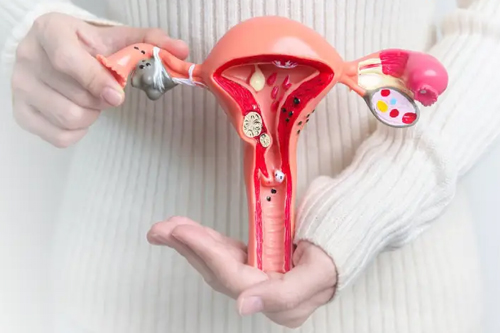
PCOS Management
Polycystic Ovary Syndrome (PCOS) is a common hormonal condition that affects women's menstrual cycles, ovulation, and overall reproductive health. It may also influence skin health, weight, and metabolism. With proper diagnosis and medical guidance, PCOS can be managed effectively.
PCOS management focuses on understanding individual symptoms, identifying hormonal and metabolic changes, and developing a suitable treatment plan. Dr. Vaishali Chaudhary provides personalized gynaecological care to help women manage PCOS, regulate menstrual cycles, and maintain long-term reproductive health.
Conditions Associated with PCOS
PCOS can affect women differently, with symptoms ranging from irregular periods to hormonal and metabolic changes. Early evaluation helps identify associated health concerns and supports appropriate treatment.
Some common conditions associated with PCOS include:
Common PCOS-Related Conditions
-
-
Hyperandrogenism: Increased androgen hormone levels that may cause acne and unwanted facial or body hair.
-
Insulin Resistance: Reduced response to insulin that may affect blood sugar regulation and metabolism.
-
Polycystic Ovarian Appearance: Multiple small follicles may be visible on an ultrasound examination.
-
Fertility Concerns: Irregular ovulation may make conception difficult for some women.
-
Metabolic Concerns: Increased risk of weight-related difficulties, type 2 diabetes, and abnormal cholesterol levels.
Common Symptoms of PCOS
PCOS symptoms can vary in severity and may develop gradually. Some women experience menstrual changes, while others notice skin, hair, weight, or fertility-related concerns. Recognizing these symptoms can help women seek timely medical evaluation.
Symptoms to Watch For
-
Irregular or missed menstrual periods and unpredictable menstrual cycles.
-
Persistent acne, oily skin, or frequent skin breakouts.
-
Excess facial or body hair growth, particularly around the chin, upper lip, and abdomen.
-
Weight gain or difficulty managing weight, particularly around the abdomen.
-
Thinning of scalp hair or increased hair fall.
-
Difficulty conceiving due to irregular or absent ovulation.
-
Darkened skin patches, particularly around the neck, underarms, or groin.
Causes and Risk Factors of PCOS
The exact cause of PCOS is not fully understood. It is believed to develop due to a combination of hormonal, genetic, and metabolic factors. These changes can affect ovarian function, ovulation, and the body's response to insulin.
Some factors associated with the development of PCOS include:
Factors That May Contribute to PCOS
-
Hormonal Imbalance: Higher-than-normal androgen levels can interfere with regular ovulation and menstrual cycles.
-
Insulin Resistance: Reduced insulin sensitivity may increase insulin levels and influence androgen production.
-
Genetic Factors: A family history of PCOS or related metabolic conditions may increase the likelihood of developing it.
-
Metabolic Changes: Alterations in glucose and fat metabolism may be associated with PCOS.
-
Weight-Related Factors: Excess body weight may worsen insulin resistance and some PCOS symptoms, although PCOS can also affect women at any body weight.
PCOS Diagnosis and Treatment
PCOS management begins with a detailed medical assessment, including menstrual history, symptoms, physical examination, and relevant investigations. Depending on individual needs, the doctor may recommend blood tests, hormonal evaluation, metabolic screening, and pelvic ultrasound.
There is no single treatment for PCOS. Management is personalized according to symptoms, overall health, and whether the woman is planning pregnancy.
PCOS Treatment and Management Options
-
Menstrual Cycle Regulation: Appropriate hormonal medications may be prescribed to regulate periods and protect the uterine lining.
-
Hormonal Symptom Management: Suitable treatments may help manage acne and unwanted hair growth.
-
Insulin Resistance Management: Lifestyle measures and medications such as metformin may be considered when medically appropriate.
-
Lifestyle and Weight Management: Personalized nutrition and physical activity guidance can support metabolic health and symptom management.
-
Fertility Support: Ovulation-inducing treatment may be recommended for women experiencing difficulty conceiving.
-
Metabolic Health Monitoring: Regular assessment of blood sugar, cholesterol, and blood pressure when indicated.
-
Long-Term Follow-up: Periodic consultations help review treatment progress and adjust the management plan as needed.
Benefits of Early PCOS Management
Early diagnosis and consistent management can help women understand their hormonal health and address symptoms before they lead to further concerns. A personalized treatment approach also supports reproductive and metabolic well-being over time.
Some important benefits of appropriate PCOS management include:
Key Benefits of PCOS Management
-
Helps regulate menstrual cycles and manage irregular periods.
-
Supports better management of hormonal symptoms such as acne and excess hair growth.
-
Helps improve metabolic health through appropriate lifestyle and medical interventions.
-
Supports ovulation and fertility treatment when pregnancy is planned.
-
Helps reduce certain long-term health risks associated with PCOS.
-
Encourages better understanding of hormonal health and overall well-being.
How to Manage PCOS Through Healthy Lifestyle Habits
PCOS cannot always be prevented, but healthy lifestyle habits can help manage its symptoms and support hormonal and metabolic health. Consistent care and regular medical follow-ups play an important role in long-term management.
Some healthy practices that may help women manage PCOS include:
Healthy Habits for PCOS Management
-
Follow a balanced diet with adequate fibre, protein, and nutrient-rich foods.
-
Engage in regular physical activity suited to your fitness level and health needs.
-
Maintain a healthy weight where appropriate, without following restrictive diets.
-
Maintain a regular sleep schedule and get adequate rest.
-
Manage stress through relaxation, suitable exercise, and healthy daily routines.
-
Track menstrual cycles and discuss unusual changes with your gynaecologist.
-
Attend regular medical check-ups and follow your prescribed treatment plan.
Frequently Asked Questions About PCOS Management
-
What is PCOS and how does it affect women?
PCOS is a hormonal condition that affects ovarian function and may cause irregular periods, acne, excess hair growth, weight-related concerns, and difficulty with ovulation. Its symptoms vary from woman to woman.
-
What are the common symptoms of PCOS?
Common symptoms include irregular menstrual cycles, acne, excess facial or body hair, scalp hair thinning, weight changes, and difficulty conceiving. Some women may have very few noticeable symptoms.
-
How is PCOS diagnosed?
PCOS diagnosis involves evaluating menstrual history, symptoms, physical findings, and relevant investigations. Blood tests and pelvic ultrasound may be recommended. Ultrasound findings alone are not sufficient to diagnose PCOS.
-
Can PCOS be completely cured?
PCOS is a long-term hormonal condition and does not have a permanent cure. However, its symptoms can be managed effectively through appropriate medical treatment, lifestyle changes, and regular follow-up.
-
Can women with PCOS get pregnant?
Yes. Many women with PCOS can conceive naturally or with appropriate fertility treatment. Treatment may include ovulation-inducing medications and other fertility support depending on individual needs.
-
Does PCOS always cause weight gain?
No. PCOS can affect women of different body weights. Some women experience weight gain or difficulty managing weight, while others have PCOS without these concerns.
-
Can lifestyle changes help manage PCOS?
Yes. A balanced diet, regular physical activity, adequate sleep, and stress management can support metabolic health and help improve certain PCOS symptoms. These measures can complement medical treatment.
-
When should I consult a gynaecologist for PCOS?
Consult a gynaecologist if you experience irregular or missed periods, persistent acne, unwanted hair growth, unexplained weight changes, or difficulty conceiving. Early evaluation helps identify the cause and plan suitable treatment.