
Irregular Periods: Menstrual cycles that occur at unpredictable intervals or vary significantly in length.
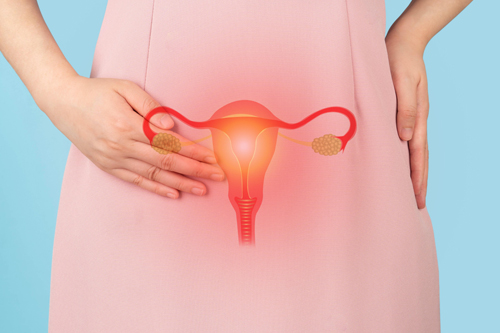
Menstrual Disorder Treatment
Menstrual disorders refer to changes in the regularity, duration, flow, or experience of menstrual periods. Problems such as irregular cycles, painful periods, heavy bleeding, and missed periods can affect a woman's physical health and daily activities.
These changes may be associated with hormonal imbalances, PCOS, thyroid conditions, uterine abnormalities, or other health concerns. Dr. Vaishali Chaudhary provides evaluation and personalized treatment to help identify the underlying cause, manage symptoms, and support better menstrual health.
Common Menstrual Disorders
Menstrual problems can vary from woman to woman. Some may experience changes in their monthly cycle, while others may have excessive bleeding, severe cramps, or periods that stop unexpectedly. Understanding these conditions helps in choosing appropriate medical care.
Some common menstrual disorders include:
Types of Menstrual Disorders
-
-
Heavy Menstrual Bleeding: Excessive or prolonged menstrual bleeding that may interfere with everyday activities.
-
Painful Periods (Dysmenorrhea): Menstrual cramps and pelvic pain that may affect daily comfort and routine activities.
-
Absent Periods (Amenorrhea): Missing menstrual periods due to pregnancy, hormonal changes, or other medical conditions.
-
Premenstrual Syndrome (PMS): Physical and emotional symptoms that occur before menstruation.
-
Abnormal Uterine Bleeding: Unusual bleeding between periods, after intercourse, or at unexpected times.
Common Symptoms of Menstrual Disorders
Menstrual disorders may cause different physical and emotional symptoms depending on the underlying condition. Some symptoms may be mild, while others can interfere with daily activities and overall well-being.
Recognizing these symptoms and discussing them with your gynaecologist can help identify the need for medical evaluation.
Symptoms to Discuss With Your Doctor
-
Periods occurring too frequently, too far apart, or at unpredictable intervals.
-
Heavy bleeding requiring frequent changes of sanitary pads or tampons.
-
Severe abdominal cramps, pelvic pain, or lower back discomfort during periods.
-
Unexpected spotting or bleeding between menstrual cycles.
-
Fatigue, weakness, or dizziness associated with excessive menstrual blood loss.
-
Mood changes, bloating, breast tenderness, or headaches before menstruation.
Causes of Menstrual Disorders
Menstrual irregularities can occur due to changes in hormone levels, reproductive health conditions, lifestyle factors, or certain medical problems. Identifying the underlying cause is important for selecting suitable treatment.
Some common factors that may contribute to menstrual disorders include:
Factors That Affect Menstrual Health
-
Hormonal Imbalances: Changes in reproductive hormones can affect ovulation and menstrual regularity.
-
Polycystic Ovary Syndrome (PCOS): A hormonal condition that may cause irregular periods and ovulation-related difficulties.
-
Thyroid Disorders: Overactive or underactive thyroid function can influence menstrual cycles.
-
Uterine Conditions: Fibroids, adenomyosis, and endometriosis may contribute to heavy or painful periods.
-
Stress and Lifestyle Changes: Emotional stress, significant weight changes, and excessive exercise can affect menstrual regularity.
-
Age-Related Hormonal Changes: Puberty and the transition towards menopause can influence menstrual patterns.
Menstrual Disorder Treatment and Management
Treatment for menstrual disorders depends on the underlying cause, symptoms, age, medical history, and reproductive health needs of the woman. A proper evaluation helps determine the most appropriate approach to managing menstrual irregularities.
Depending on the diagnosis, treatment may include medication, hormonal management, lifestyle guidance, or procedures for specific reproductive health conditions.
Available Treatment and Management Options
-
Medical Evaluation: Assessment of menstrual history, symptoms, and underlying health conditions.
-
Hormonal Treatment: Suitable hormonal medications may help regulate menstrual cycles and manage abnormal bleeding.
-
Pain Management: Appropriate medication and supportive measures to reduce menstrual cramps and discomfort.
-
PCOS and Thyroid Management: Treatment of associated hormonal conditions affecting menstrual regularity.
-
Diagnostic Investigations: Recommended blood tests, hormonal assessments, and pelvic ultrasound when required.
-
Surgical Management: Appropriate procedures may be considered for conditions such as fibroids or other uterine abnormalities when indicated.
-
Lifestyle Guidance: Personalized advice on nutrition, physical activity, stress management, and maintaining a healthy weight.
Benefits of Timely Menstrual Disorder Treatment
Timely medical attention can help identify the cause of menstrual irregularities and provide appropriate symptom management. Proper treatment also helps women understand their reproductive health and address concerns that may affect their everyday lives.
Some important benefits of menstrual health management include:
Key Benefits of Proper Menstrual Care
-
Helps identify underlying hormonal and reproductive health conditions.
-
Supports better management of irregular periods and abnormal bleeding.
-
Helps reduce menstrual pain and discomfort with appropriate treatment.
-
Helps address anaemia associated with prolonged or heavy menstrual bleeding.
-
Supports reproductive health and fertility-related care when needed.
-
Improves confidence in managing menstrual health and daily activities.
How to Maintain Healthy Menstrual Cycles
Although not all menstrual disorders can be prevented, maintaining healthy habits and monitoring menstrual patterns can support reproductive health. Regular medical consultations are important when periods become irregular, painful, or unusually heavy.
Some helpful practices for maintaining menstrual health include:
Healthy Menstrual Care Practices
-
Track your menstrual cycle, including period dates, duration, and flow changes.
-
Follow a balanced diet with adequate iron and essential nutrients.
-
Maintain a healthy weight through suitable physical activity and balanced nutrition.
-
Manage stress through relaxation techniques, adequate sleep, and regular exercise.
-
Attend regular gynaecological consultations and recommended health screenings.
-
Avoid self-medication and take hormonal medicines only under medical supervision.
-
Seek medical advice for persistent irregularities, severe pain, or unusually heavy bleeding.
Frequently Asked Questions About Menstrual Disorders
-
What are menstrual disorders?
Menstrual disorders are conditions that affect the regularity, duration, flow, or comfort of menstrual periods. They include irregular periods, heavy bleeding, painful menstruation, and absent periods.
-
What causes irregular menstrual periods?
Irregular periods may be associated with hormonal imbalances, PCOS, thyroid disorders, stress, significant weight changes, or other reproductive health conditions. A medical evaluation helps identify the underlying cause.
-
Is it normal to experience painful periods?
Mild menstrual cramps are common, but severe pain that affects daily activities should not be ignored. Conditions such as endometriosis, adenomyosis, or fibroids may contribute to painful periods and require medical assessment.
-
When should I consult a gynaecologist for heavy periods?
Consult a gynaecologist if your periods are unusually heavy, last longer than usual, involve large blood clots, or cause weakness and fatigue. Very heavy bleeding accompanied by dizziness or fainting requires urgent medical attention.
-
Can PCOS cause irregular periods?
Yes. PCOS can affect ovulation and hormone levels, leading to delayed, irregular, or missed periods. Appropriate evaluation and treatment can help manage menstrual irregularities associated with PCOS.
-
What tests are required to diagnose menstrual disorders?
Depending on your symptoms and medical history, investigations may include blood tests, hormonal assessments, thyroid tests, pregnancy testing, and pelvic ultrasound examinations.
-
Can menstrual disorders affect fertility?
Some menstrual disorders, particularly those affecting ovulation, may influence fertility. Conditions such as PCOS and thyroid disorders can affect reproductive health. Early evaluation and appropriate treatment can help address these concerns.
-
Can menstrual disorders be treated?
Yes. Many menstrual disorders can be effectively managed depending on their cause. Treatment may include medication, hormonal management, lifestyle changes, or procedures for specific underlying conditions.